Patagonia
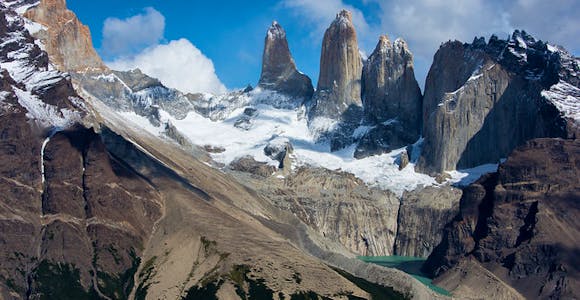
A wonderland of postcard-perfect wilderness; powder blue glaciers, rugged open steppe and lush temperate rainforests. Patagonia has wildlife, beauty and adventure in abundance.
Discover More
Swoop takes people on adventures to the ends of the earth. Patagonia, Antarctica and the Arctic are all remote, wild and awe-inspiring in their own unique way. We have the knowledge, relationships and experience to create a trip worthy of these destinations, that also matches our customers’ dreams, budget and appetite for adventure.
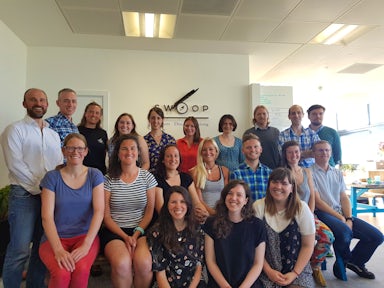
We’re a passionate, dedicated and spirited bunch of specialists who love the outdoors. We care deeply about our destinations and want to protect them for future generations to explore, which is one reason we’re committed to a sustainable future for the travel industry. Read on to find out more about our story, our approach and our sustainability plan.
A wonderland of postcard-perfect wilderness; powder blue glaciers, rugged open steppe and lush temperate rainforests. Patagonia has wildlife, beauty and adventure in abundance.
Discover More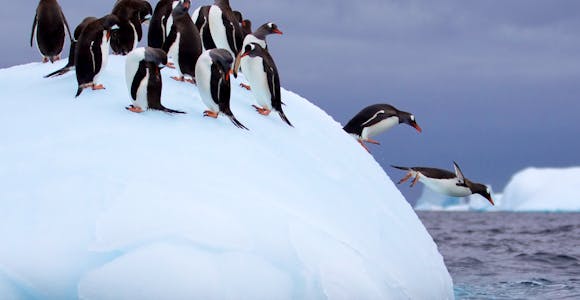
Home to vast penguin colonies, krill-feasting whales and natural ice castles, a world away from life as we know it. Discover the sparkling gem of the southern ocean.
Discover More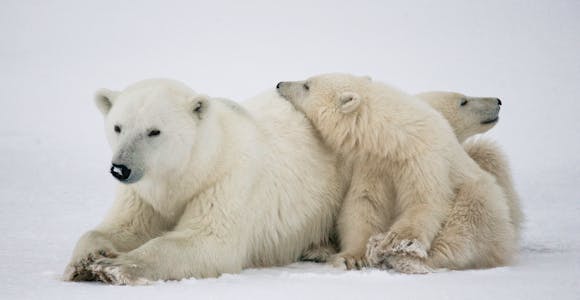
A land with a legendary past where polar bears roam, musk oxen clash on the tundra and narwhals roll and dive. Discover the Arctic's ice-laden landscapes and fascinating culture.
Discover MoreIt's been nearly 20 years since Luke, our founder, first visited Patagonia. In the wilderness of the Andes, he discovered his passion for trekking and a deep connection with nature. Swoop, inspired by the flight of the Andean Condor, was born in 2010. With an ever-growing commitment to wilderness travel, we began offering adventures to Antarctica in 2014, and to the Arctic a few years later. Our collection of specialist destinations was complete.
Today we help close to 3,000 customers a year discover Patagonia, Antarctica and the Arctic, redefining perspectives at the ends of the earth.
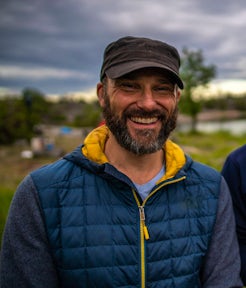
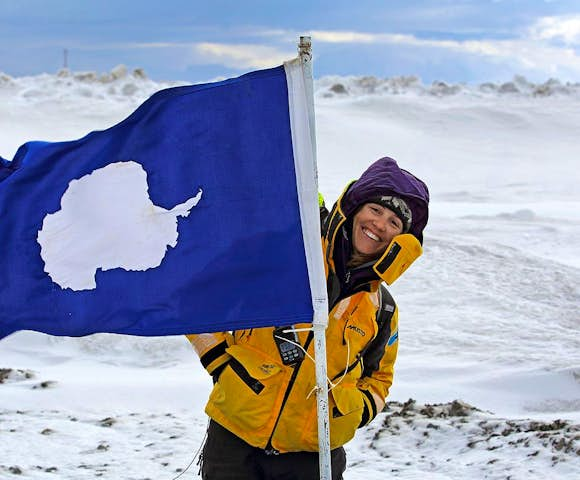
Polar Product & Partnerships Manager, Loli, in Antarctica
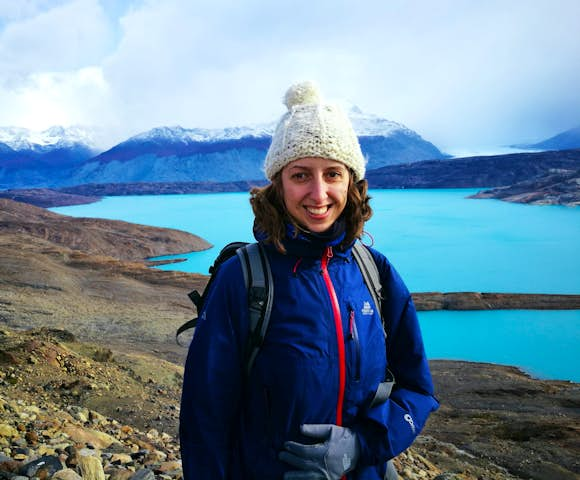
Bookings Team Leader, Zoe, in the wilderness near Estancia Cristina, Patagonia
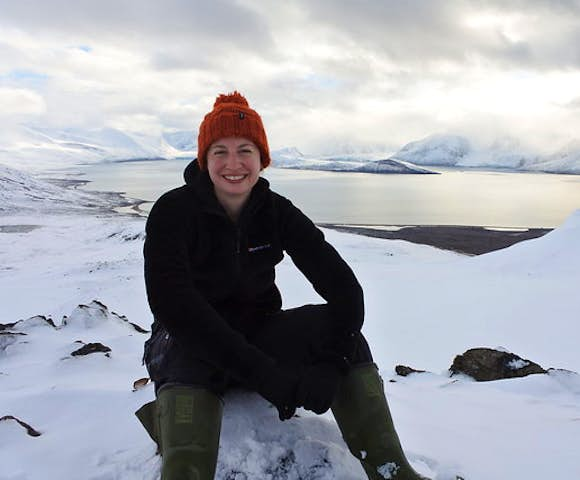
Marketing Manager, Lauren, exploring a snow-laden Svalbard
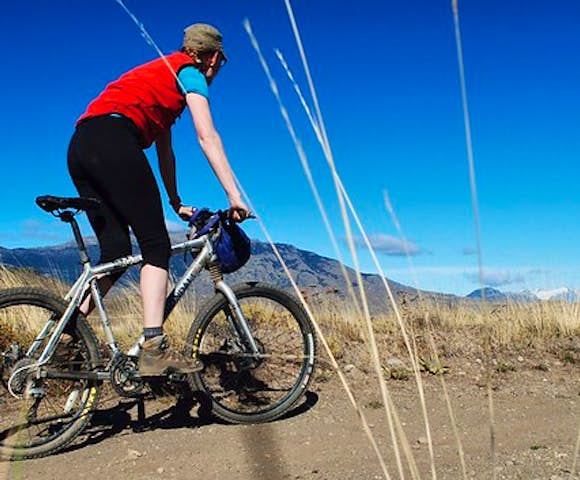
Head of Patagonia, Harriet, biking down to the Chacabuco River, Patagonia
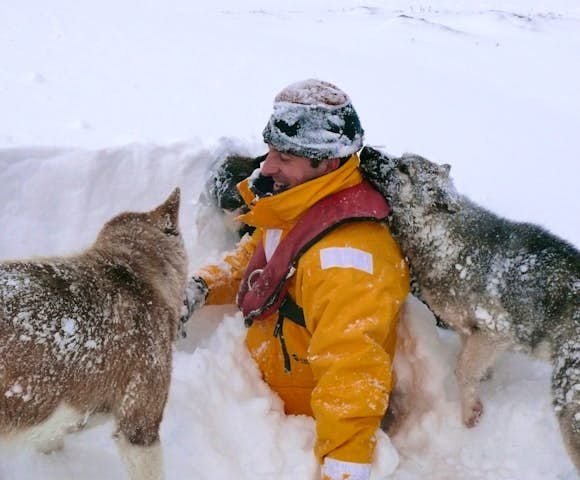
Commercial Director, Alex, with snowy sled dogs in Ittoqqortoormiit, Greenland
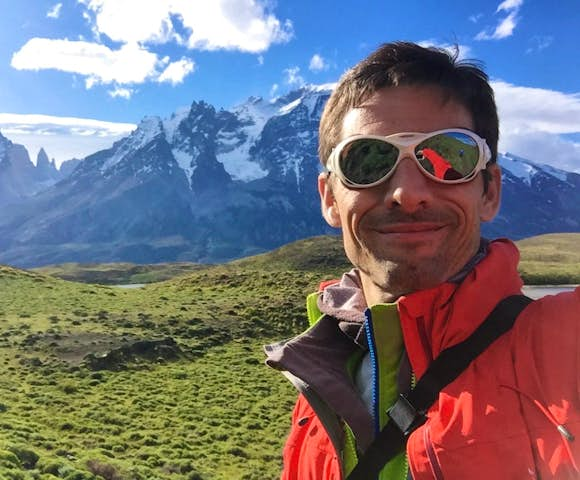
Patagonia Product & Partnerships Manager, David, in Torres del Paine, Patagonia
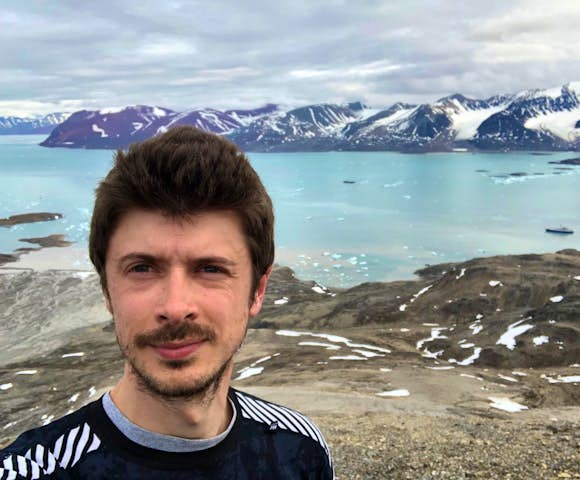
Polar Specialist, Ben, exploring near the Monaco Glacier in Svalbard
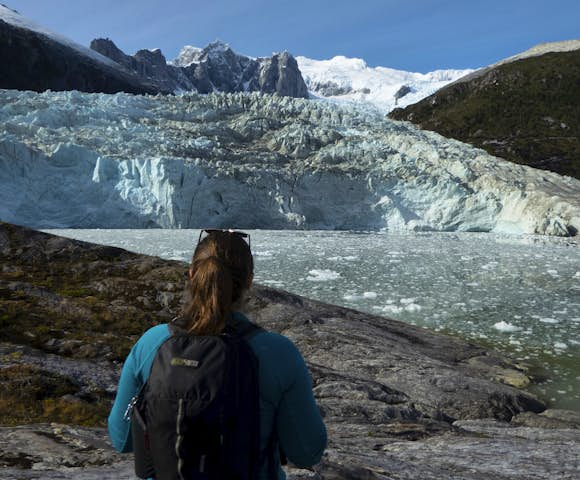
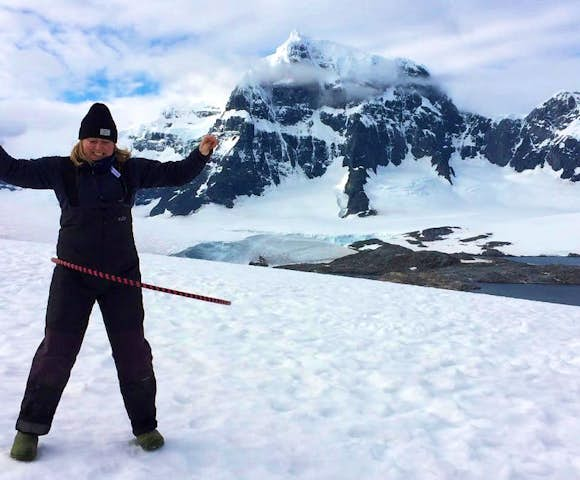
Polar Operations Coordinator, Aimee, hula hooping in Antarctica
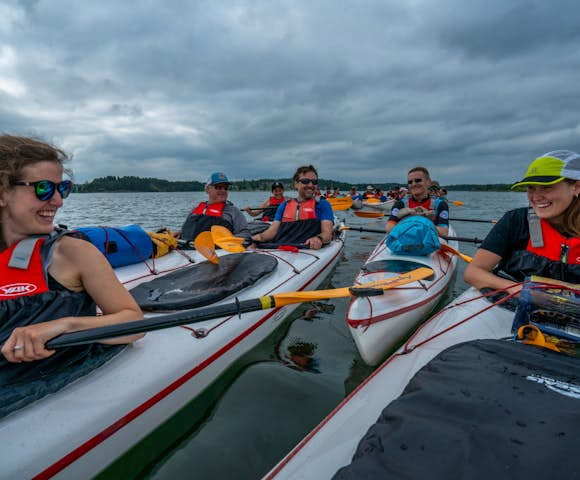
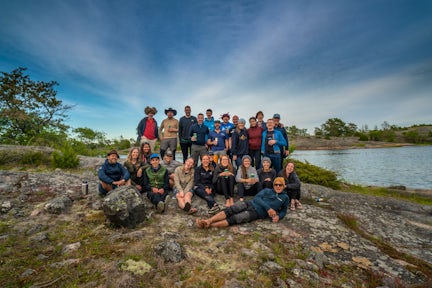
The team sea kayaking in the Saint Anna Archipelago
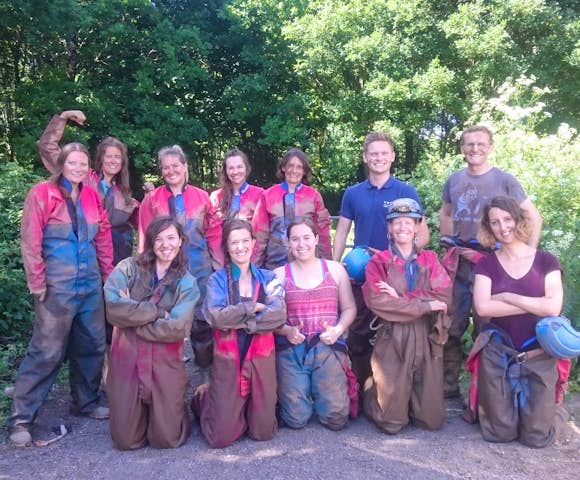
The team after a potholing adventure in Dartmoor
We love sharing our knowledge and expertise with our customers, who often cite our three websites as the best guidebooks to the regions. As stewards for our destinations, we are committed to helping our customers appreciate their beauty and fragility. As such, we try to:

Every step of the way Swoop Antarctica made for the perfect booking agent. I had all the right equipment and then some. Swoop answered all my questions with quick turn around every time. Thank you.
Travelled: March 2019
Catherine Macwillie - United States of America
Once again, Swoop Arctic's service and advice were immaculate. The fact that we are returning clients says it all!
Travelled: August 2018
Charles & Lesley Cook - United Kingdom
Talking to Swoop Arctic made all the difference for us. Being able to cut through all the detail to find the perfect trip for us was invaluable. Alex was able to ask us the questions that helped us crystallise what we actually wanted from such a trip. These trips aren't cheap so you want to be sure you're going to get something that's right for you. Swoop made that happen for us.
Travelled: July 2018
Kay & Richard Howells - United Kingdom
Flawless service from everyone at Swoop Antarctica! Great communication with the team throughout the planning stages. Our itinerary was spelt out in detail, and all accommodations were exactly as promised. Special thanks to Alex on his recommendations on our cabin. No one handles an Antarctica expedition like Swoop Antarctica.
Travelled: December 2017
Chris Pappas - United States of America
We were very pleased with the service from Swoop Patagonia. You were as close to perfect as we can imagine. Sally was great and patient in planning this trip with us.
Travelled: February 2017
Ellen Sosinski - United States of America
I'm already looking at some future trips that I can take with Swoop Patagonia. I feel confident that I will find just the right one.
Travelled: January 2017
Kristen Boscia - United States of America
Review:
If we want to keep exploring this beautiful planet, we must make our company – and the entire travel industry – more sustainable. Swoop is at the start of this journey and we know there will be challenges ahead. For now, our big goals are to reduce our impact, help our customers reduce theirs, and drive change in our industry. We have also joined the 'Tourism Declares a Climate Emergency' movement.
We are optimistic and determined about the future of travel, and we invite you – our customers – to join us on this journey.
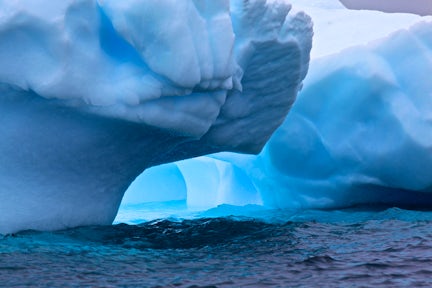
Bright blue iceberg sculptures in Antarctica
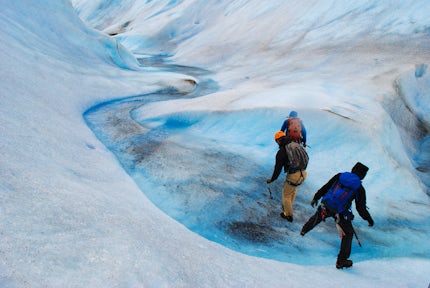
Our online magazine, named after the remoteness of our destinations, is where we and our community of customers, partners and friends share stories and opinions on all things from wildlife and the environment, to history and culture.
Get stuck into articles about exploring Antarctica by 'WindSled', the early exploration of Tierra del Fuego, and what it’s like to be a guide in Patagonia.
On the surface, we’re a travel agency specialising in adventurous trips to Antarctica, Patagonia and the Arctic. Dig deeper and you’ll find a diverse team of 40-plus people who are deeply knowledgeable and passionate about their destinations, and committed to making a difference for our customers and the planet.
We’re a hard-working, dynamic, innovative and caring team, and we’re always on the lookout for new people to join our ranks.